
BLOG
Our popular blog

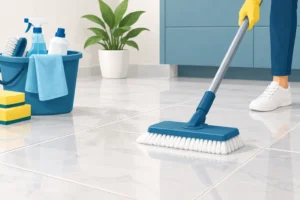
Best Ways to Clean Tile Without Damaging It
Learn the best ways to clean tile, lift Phoenix dust, grease, and soap scum, and know when professional grout restoration is the smarter move at home now.
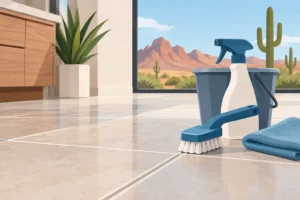
Arizona Grout Maintenance Guide That Works
Use this Arizona grout maintenance guide to fight hard-water haze, dust, soap scum, and stains while protecting tile floors, showers, kitchens, and grout.
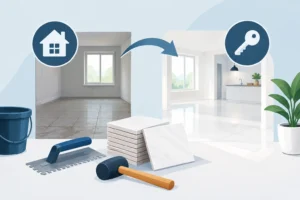
Landlord Tile Turnover Guide for Faster Turns
Use this landlord tile turnover guide to spot damage, restore grout, control costs, and hand every Phoenix rental to the next tenant cleaner without surprises.
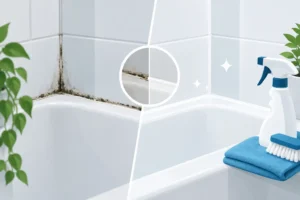
Caulk Mildew Removal That Actually Lasts
Caulk mildew removal for Phoenix showers: learn what kills surface growth, when caulk must be replaced, and how to keep seams cleaner longer for years.
Phoenix Hard Water Grout Guide for Lasting Results
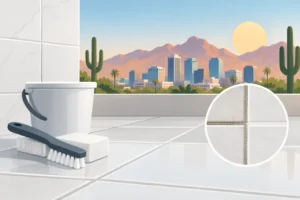
Use this Phoenix hard water grout guide to spot mineral damage, clean safely, and know when sealing, repair, or professional restoration is the smarter local call.
Caulk Versus Grout Showers: What Goes Where?
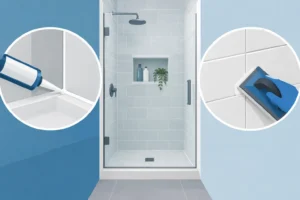
Caulk versus grout showers explained: learn where each belongs, why failures happen, and how to keep tile joints dry, clean, and protected for years.
Why and When You Should Seal Your Grout — And the Power of Color Sealing
Grout might not be the star of your tile surfaces, but it plays a big role in how clean and fresh your home looks. Whether it’s on your floors, backsplash, or shower walls, sealing your grout is one of the smartest ways to protect your tile—and restore its appearance if it’s already seen better days.
Grout is porous by nature, which means it absorbs water, dirt, spills, and grime. This leads to dark, discolored lines and even the risk of mold and mildew. Sealing creates a protective barrier that repels moisture and stains, keeping your grout cleaner and helping your tile last longer.
– After installation: Fresh grout should be sealed 48–72 hours after curing to lock in its clean look and protect it from the start.
– After a professional cleaning: If your grout has been restored or deep-cleaned, sealing right after helps preserve the results.
– As ongoing maintenance: High-traffic areas like kitchens, bathrooms, and entryways should be resealed every 1–2 years to keep protection strong.
Sometimes, no matter how hard you scrub, grout just won’t come clean. If your grout still looks stained, blotchy, or uneven even after deep cleaning, color sealing is the solution.
Color sealing isn’t just about changing the grout’s color—it’s a complete transformation. It gives your grout a fresh, uniform appearance while sealing it at the same time.
– Restores grout to a like-new look, even after years of staining
– Provides a waterproof, stain-resistant finish
– Comes in a wide range of color options to match or refresh your style
– Lasts longer than traditional clear sealers
– Helps prevent future staining and discoloration
– After deep cleaning when stains remain visible
– When grout color is uneven or faded
– During a tile refresh without replacing tiles
– To match new décor or update the look of a room
Protect it. Refresh it. Restore it.
Whether it’s a basic clear seal or a complete color sealing transformation, sealing your grout is the easiest way to keep your tile surfaces looking spotless and lasting longer.