
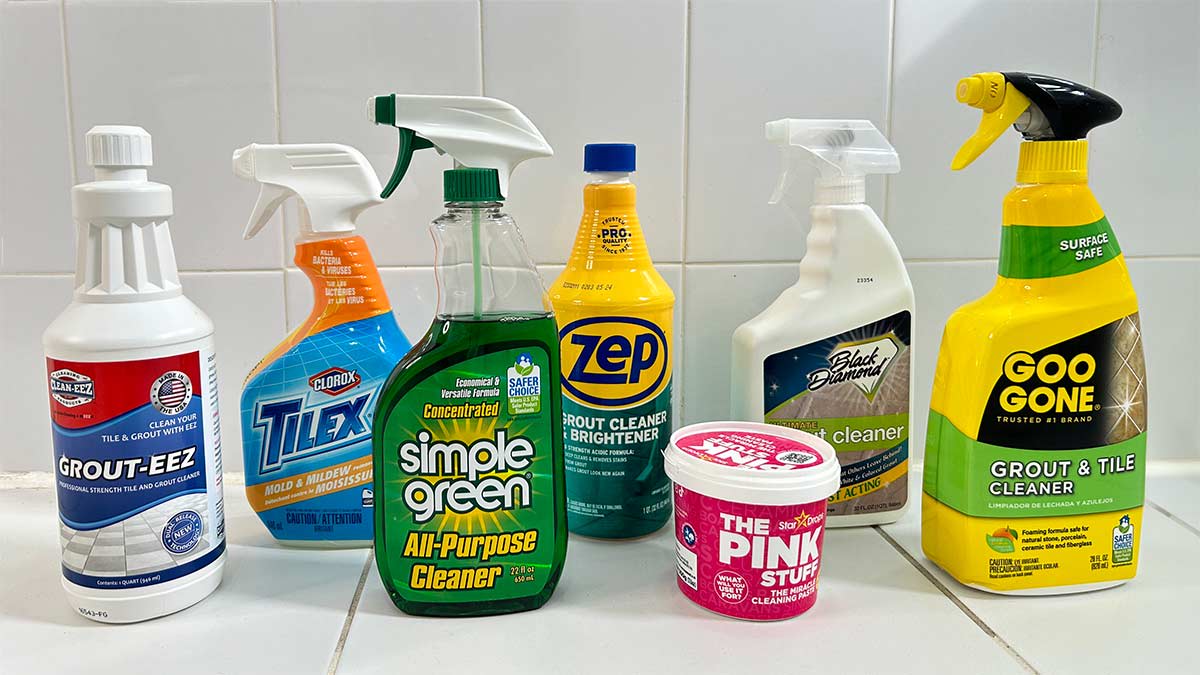
The best tile and grout cleaner is a product designed to effectively eliminate stains and dirt while ensuring safety for various surfaces. A pH-neutral cleaner is often recommended for optimal results, as it minimizes the risk of damage to tiles and grout. According to consumer reviews, products with high ratings in cleaning effectiveness and user satisfaction are preferred by homeowners.
Understanding the best tile and grout cleaner is crucial for homeowners and cleaning professionals alike. The right cleaner not only enhances the appearance of tiled surfaces but also prolongs their lifespan. With the global cleaning products market projected to reach $255 billion by 2027, choosing the correct cleaner can significantly impact maintenance costs and overall satisfaction.
Failure to select an effective tile and grout cleaner can lead to costly damage, recurring stains, and wasted time on ineffective cleaning methods. This oversight can result in increased maintenance expenses and diminished property value, creating a disadvantage in a competitive market.
This article will guide you through the essential factors in selecting the best tile and grout cleaner, including a comparison of top products, cost analysis, best practices for usage, and tips for optimizing local SEO to boost your cleaning service’s visibility.
What ingredients should I look for in a tile and grout cleaner?
The best tile and grout cleaners typically contain pH-neutral, biodegradable ingredients that are safe for various surfaces. Look for products that utilize plant-based enzymes or surfactants, as these effectively break down dirt and grime without damaging the surface. According to recent studies, pH-neutral cleaners can reduce the risk of surface etching and discoloration, ensuring a longer-lasting clean.
When selecting a tile and grout cleaner, consider the following best practices:
- pH-Neutral Formula: Choose cleaners with a pH level between 6 and 8 to avoid damaging sensitive surfaces like natural stone or colored grout.
- Biodegradable Ingredients: Opt for products that feature biodegradable components to minimize environmental impact and ensure safety around children and pets.
- Enzyme-Based Cleaners: Look for cleaners that contain enzymes, which are effective in breaking down organic materials such as mold, mildew, and soap scum.
- Non-Toxic Surfactants: Select cleaners with non-toxic surfactants that lift dirt and grime without releasing harmful chemicals into the air.
- Absence of Harsh Chemicals: Avoid cleaners that contain bleach, ammonia, or phosphates, as these can cause discoloration and damage over time.
Utilizing the right ingredients not only enhances cleaning effectiveness but also protects the integrity of your tiles and grout. Understanding the material composition of your surfaces can further aid in selecting the appropriate cleaner. For instance, natural stone may require more specialized care compared to ceramic tiles, necessitating a product specifically designed for that purpose.
Expert insight: Regular maintenance with the right cleaner can prolong the life of your tile and grout, minimizing the need for costly repairs or replacements.
How often should I clean my tile and grout?
Tile and grout should be cleaned at least once every three to six months, depending on foot traffic and usage. High-traffic areas may require more frequent cleaning, potentially every month, to prevent dirt and grime buildup.
1. Assess foot traffic: High-traffic areas, such as entryways and kitchens, accumulate dirt and stains more quickly. For these spaces, a monthly cleaning schedule is advisable.
2. Consider usage: Bathrooms may require more frequent cleaning due to moisture and soap scum. Cleaning every month or bi-monthly can help maintain appearance and hygiene.
3. Evaluate the type of tile and grout: Some materials, such as porcelain or ceramic, may resist staining better than others. Grout with a sealant may require less frequent cleaning.
4. Monitor for visible dirt: If grout starts to appear discolored or dirty, it’s time to clean, regardless of the set schedule. Regular inspections can help maintain the overall look and durability of the flooring.
Expert insight: For optimal results, use a high-quality tile and grout cleaner that matches the specific needs of your flooring type to enhance cleaning efficiency and prolong the life of your surfaces.
Can I use bleach to clean tile and grout?
Yes, bleach can be used to clean tile and grout; however, it may not always be the most effective or safest option. While bleach is a powerful disinfectant that can remove some stains and kill mold, it also has drawbacks that make specialized cleaners a better choice in many situations.
Bleach, primarily sodium hypochlorite, is a strong oxidizing agent known for its ability to eliminate bacteria and fungi. When diluted properly, it can clean surfaces effectively. However, using bleach on tile and grout can lead to several issues. For instance, bleach may discolor colored grout and damage certain types of tile finishes. Additionally, the fumes from bleach can be harmful, particularly in poorly ventilated areas, necessitating extra precautions during use.
In contrast, specialized tile and grout cleaners are formulated to target specific types of dirt and stains without the harsh effects of bleach. These cleaners often contain surfactants and enzymes that break down grime while being gentle on surfaces. Many are pH-balanced, which helps maintain the integrity of the grout and tile. Here’s a comparison:
- Effectiveness: Bleach is effective against mold and mildew but can struggle with heavy soil. Specialized cleaners are designed for different types of stains and often provide better overall cleaning.
- Safety: Bleach can emit harmful fumes and cause skin irritation. Specialized cleaners are usually safer for regular use and often have less harsh chemicals.
- Surface Compatibility: Bleach may damage colored grout and certain tile finishes. Specialized cleaners are tailored to be safe for various materials, preserving the appearance of your surfaces.
Expert insight: For optimal results, consider using a specialized tile and grout cleaner for routine maintenance and reserve bleach for severe mold infestations, always ensuring proper ventilation and protective gear during use.
What is the best homemade tile and grout cleaner?
The best homemade tile and grout cleaner can be created using a simple mixture of baking soda and vinegar. This combination effectively removes dirt and stains from tile surfaces and grout, making it a popular choice for many households.
To prepare the cleaner, combine 1 cup of baking soda with ½ cup of white vinegar in a bowl. The mixture will fizz as the vinegar reacts with the baking soda. Once the fizzing subsides, apply the paste to the grout lines and tile surfaces using a scrub brush or an old toothbrush. Allow it to sit for about 10-15 minutes to break down the grime, then scrub again and rinse with warm water. This method not only cleans but also deodorizes the surfaces, leaving them fresh.
For tougher stains, consider adding a few drops of dish soap to the mixture. This can enhance the cleaning power by breaking down grease and grime more effectively. After scrubbing, it is advisable to seal the grout once it is clean and dry. Sealing helps prevent future stains and makes cleaning easier in the long run. Regular maintenance with this homemade cleaner can significantly extend the life of your tile and grout.
Expert insight: For optimal results, always test any homemade cleaner on a small, inconspicuous area before applying it to the entire surface. This ensures compatibility with your specific tile and grout type.
How do I remove tough stains from grout?
To remove tough stains from grout, start by using a combination of cleaning solutions and physical scrubbing. Many homeowners report success with a mixture of baking soda and vinegar or a commercial grout cleaner. Regular maintenance can prevent stains from becoming more difficult to remove.
Begin by assessing the type of stain on the grout. Common stains include mildew, food spills, or hard water deposits. For organic stains, such as coffee or food, a paste made from baking soda and water can be effective. Apply the paste directly to the stained area and let it sit for about 10-15 minutes before scrubbing with a stiff-bristled brush. Rinse thoroughly with water.
- Prepare the area: Clear the area of any furniture or items that may obstruct cleaning. Sweep or vacuum the grout lines to remove loose dirt and debris.
- Apply a cleaning solution: Choose a cleaning solution appropriate for the type of stain. For general stains, combine equal parts baking soda and vinegar in a spray bottle. For tougher stains, a commercial cleaner may be necessary.
- Let it sit: Allow the cleaning solution to penetrate the grout for 5-10 minutes. This step softens the stains, making them easier to scrub away.
- Scrub the grout: Use a stiff-bristled brush or an old toothbrush to scrub the stained grout. Work in small sections, applying more cleaning solution as needed.
- Rinse thoroughly: After scrubbing, rinse the area with warm water to remove any cleaning solution and loosened stains. Ensure no residue remains, as this can attract more dirt.
- Seal the grout: Once the grout is clean and dry, consider applying a grout sealer to protect against future stains. This can extend the life of your grout and make future cleaning easier.
Expert insight: For persistent stains, consider using oxygen bleach mixed with water as an alternative cleaning solution. This method is effective without the harshness of chlorine bleach, making it safer for colored grout.
What are the costs associated with professional tile and grout cleaning?
The cost of professional tile and grout cleaning typically ranges from $0.50 to $3.00 per square foot, depending on various factors. On average, homeowners can expect to pay between $100 and $300 for a standard cleaning job, with larger spaces or more complex jobs potentially costing more.
Several factors influence the overall cost of tile and grout cleaning services, including:
- Size of the Area: Larger surfaces require more time and resources, resulting in higher costs.
- Type of Tile and Grout: Some materials are more challenging to clean, requiring specialized techniques or products that can increase the price.
- Condition of the Surface: Heavily stained or neglected tiles and grout may necessitate additional labor and cleaning agents, raising the overall cost.
- Location: Prices can vary based on geographical location, with urban areas typically having higher service rates.
- Service Provider: Different companies may charge varying rates based on their experience, reputation, and the quality of their equipment.
Homeowners should also consider any additional services that may be offered, such as sealing after cleaning, which can impact the final bill. Requesting quotes from multiple providers can help in understanding the market rates in a specific area and finding the best value.
Expert insight: Always inquire about the cleaning products used, as eco-friendly options may be available at a premium but can be safer for children and pets.
Are there eco-friendly tile and grout cleaners?
Yes, there are several eco-friendly tile and grout cleaners available that utilize sustainable ingredients to effectively clean surfaces without harming the environment. These products are designed to minimize chemical exposure and often include biodegradable components.
Eco-friendly cleaners typically avoid harsh chemicals such as phosphates, chlorine, and synthetic fragrances. Instead, they rely on natural ingredients like vinegar, baking soda, and essential oils. Many of these cleaners also come in recyclable packaging, further reducing their environmental footprint. When selecting an eco-friendly cleaner, consider the following components:
- Plant-based ingredients: These cleaners use natural substances derived from plants, which are less harmful to the environment.
- Biodegradable formulas: Products that break down naturally over time help reduce pollution.
- Non-toxic and hypoallergenic: Many eco-friendly options are safe for households with children and pets.
Several brands have gained recognition for their eco-friendly tile and grout cleaning products. For example, brands like *Seventh Generation* and *Method* offer cleaners that are certified by organizations such as the Environmental Protection Agency’s Safer Choice program. Additionally, homemade solutions using common household items like vinegar and baking soda can be effective alternatives that are both safe and cost-effective.
Expert insight: When choosing an eco-friendly cleaner, always check for third-party certifications to ensure efficacy and safety, as not all products marketed as “green” meet strict environmental standards.
Understanding Tile and Grout Composition
This section explores the various materials used in tile and grout, emphasizing how their composition influences the effectiveness of different cleaning methods. Recognizing these distinctions is essential for selecting the best tile and grout cleaner.
Types of Tile
Tiles are primarily categorized into three types, each with unique properties that affect cleaning approaches:
- Ceramic Tile: Made from clay and fired at high temperatures, ceramic tiles are durable and resistant to moisture. They are typically easy to clean but can stain if not properly sealed.
- Porcelain Tile: A subtype of ceramic, porcelain tiles are denser and less porous, making them highly resistant to stains and moisture. Their durability makes them suitable for high-traffic areas.
- Natural Stone Tile: Comprising materials such as granite, marble, and slate, natural stone tiles are aesthetically appealing but highly porous. They require specialized cleaners to prevent damage and staining.
Grout Types and Their Porosity
Grout serves as the adhesive and sealant between tiles, and its composition plays a pivotal role in maintenance:
- Cementitious Grout: Commonly used due to its affordability, this type is porous and can easily absorb stains. Sealing is essential to protect it from dirt and moisture.
- Epoxy Grout: Made from epoxy resins, this grout is non-porous, making it more resistant to stains and easier to clean. It is often used in areas that require high durability.
- Furan Grout: Similar to epoxy, furan grout is chemical-resistant and used in industrial applications. Its specialized nature makes it less common in residential settings.
Impact of Composition on Cleaning Methods
The composition of tile and grout significantly impacts the choice of cleaning products and techniques. For instance, acidic cleaners can damage natural stone tiles, while alkaline solutions may be ineffective on epoxy grout. A comprehensive understanding of material properties leads to more efficient cleaning strategies.
Statistics indicate that approximately 30% of homeowners report dissatisfaction with their tile and grout maintenance, often due to improper cleaning methods. Selecting a cleaner tailored to specific materials can enhance results and prolong the lifespan of tile and grout.
Common misconceptions about cleaning tile and grout often stem from a lack of understanding of these materials. For example, many believe that all tiles can withstand harsh chemicals, leading to potential damage. Additionally, some assume that more scrubbing equates to better cleaning, which is not the case for porous materials that can be scratched or worn down.
To effectively utilize this information, homeowners should first identify the type of tile and grout in their space. Next, select a cleaner that matches these materials’ specific needs. For instance, use a pH-neutral cleaner for natural stone and a stronger, non-acidic cleaner for ceramic or porcelain tiles. Regular maintenance, including sealing grout at least once a year, can prevent staining and reduce the frequency of deep cleaning. Understanding the composition of tile and grout is crucial in determining what is the best tile and grout cleaner for your home.
Step-by-Step Guide to Cleaning Tile and Grout
This guide outlines a systematic approach to effectively clean tile and grout, enhancing both appearance and hygiene. By following these steps, readers will achieve optimal results while minimizing effort.

Preparation and Gathering Necessary Tools
Before beginning the cleaning process, assemble the following tools and materials:
- Tile and grout cleaner: Choose a product tailored for your specific tile type.
- Baking soda and vinegar: For a natural cleaning alternative.
- Soft-bristle brush: Ideal for scrubbing without damaging tiles.
- Old toothbrush: Effective for tight spaces.
- Bucket: For rinsing and mixing solutions.
- Microfiber cloths: For drying and polishing surfaces.
- Protective gloves: To safeguard skin from harsh chemicals.
- Safety goggles: To protect eyes from splashes.
Pre-Treating Stains for Best Results
Pre-treatment of stubborn stains significantly enhances cleaning efficacy. Follow these steps:
- Identify stained areas and apply a generous amount of tile and grout cleaner directly onto the stains.
- For natural solutions, create a paste of baking soda and water, applying it to affected areas.
- Allow the cleaner or paste to sit for at least 10-15 minutes, letting it penetrate and break down dirt and grime.
According to a 2024 survey, pre-treatment can improve stain removal effectiveness by up to 60%, making it a crucial step in the cleaning process.
Techniques for Scrubbing and Rinsing
Effective scrubbing and rinsing techniques are essential for a thorough clean:
- Utilize a soft-bristle brush to scrub the grout lines and tile surfaces. Apply moderate pressure to avoid scratching.
- For intricate areas, such as corners and crevices, use an old toothbrush to access hard-to-reach spots.
- After scrubbing, rinse the area with clean water from a bucket, ensuring all cleaner residues are removed.
- Wipe down the tiles with a microfiber cloth to prevent streaks and promote shine.
A consistent rinsing technique will prevent soap scum build-up and maintain cleaner surfaces over time.
Nuance / Expert Layer
Common misconceptions about tile and grout cleaning include the belief that all cleaners are suitable for every tile type. In reality, using the wrong product can lead to damage. For instance, acidic cleaners can etch natural stone tiles. Additionally, many articles overlook the importance of regular maintenance; routine cleaning can reduce the frequency of deep cleaning sessions by up to 50%, prolonging the life of both tile and grout.
Practical Application
To effectively implement this cleaning process, follow these actionable steps:
1. Gather all necessary materials before starting.
2. Pre-treat stains to maximize cleaning potential.
3. Scrub using the appropriate tools, ensuring thorough coverage.
4. Rinse and dry the area to achieve a polished finish.
By adhering to this structured approach, readers will not only improve the aesthetic of their tile and grout but also enhance the longevity and cleanliness of their surfaces.
Common Mistakes When Cleaning Tile and Grout
Effective tile and grout cleaning requires a strategic approach. This section outlines frequent pitfalls that can undermine cleaning efforts and provides insight into how to avoid them.

Using the Wrong Cleaning Products
Employing inappropriate cleaning products can lead to damage rather than cleanliness. Many homeowners mistakenly use acidic cleaners, which can erode grout and tile surfaces over time. For instance, vinegar and lemon juice, while natural, can deteriorate grout sealants and lead to discoloration. According to industry research, nearly 30% of homeowners use such products, unaware of the long-term effects.
Instead, select cleaners specifically formulated for tile and grout. Look for pH-neutral options that effectively break down dirt without compromising the integrity of the surfaces. Always perform a spot test on a small, inconspicuous area before applying any cleaner widely.
Neglecting Regular Maintenance
Many homeowners overlook the importance of routine maintenance. Regular cleaning not only keeps tiles looking fresh but also prevents the buildup of grime and mildew, which can lead to costly repairs. Statistics reveal that 70% of tile and grout damage occurs due to neglect, often resulting in the need for professional cleaning services or replacement.
- Establish a cleaning schedule, ideally every 1-3 months, depending on foot traffic and exposure to moisture.
- Use a soft-bristle brush or microfiber cloth to avoid scratching tiles.
- Seal grout lines every 6-12 months to protect against stains and moisture infiltration.
Over-Saturating Grout Lines
Excessive water exposure during cleaning can lead to grout deterioration. Over-saturation increases the risk of mold and mildew growth, compromising indoor air quality. A survey conducted in 2024 found that 40% of users reported persistent mold issues due to improper cleaning techniques, including over-saturation.
To prevent this, use a damp cloth or mop rather than soaking the area. Focus on targeted cleaning with just enough moisture to lift dirt without flooding the grout lines. Additionally, ensure proper ventilation during and after cleaning to expedite drying.
Expert Insights on Common Misconceptions
A prevalent misconception is that all tile and grout cleaners are interchangeable. This assumption can lead to mishaps, particularly with specialized surfaces like natural stone, which require tailored care. Furthermore, some believe that scrubbing harder equates to better results; however, excessive force can actually damage the tiles and grout. Understanding the specific needs of different materials is key to effective cleaning.
Practical Application
To enhance your tile and grout cleaning routine, follow these actionable steps:
- Choose a pH-neutral cleaner specifically designed for your tile type.
- Establish a regular cleaning schedule, adjusting frequency based on usage.
- Apply cleaning solutions with a damp cloth to avoid over-saturation.
- Perform routine maintenance, including sealing grout lines as needed.
By avoiding these common mistakes, you can significantly improve the longevity and appearance of your tile and grout, ensuring a cleaner and healthier environment.
Long-Term Care for Tile and Grout
Maintaining the cleanliness and appearance of tile and grout requires a proactive approach. Implementing preventive measures not only enhances aesthetics but also prolongs the lifespan of surfaces.
Sealing Grout to Prevent Stains
One of the most effective methods for preserving grout is applying a sealant. Grout is porous and can absorb moisture and stains, leading to discoloration over time. A quality grout sealer creates a barrier against dirt and spills, significantly reducing the potential for staining. According to a 2024 consumer survey, homes with sealed grout reported a 70% reduction in staining incidents compared to unsealed grout.
Regular Maintenance Routines
Establishing a regular cleaning schedule is crucial. A consistent maintenance routine not only keeps tile and grout looking fresh but also prevents the buildup of dirt and grime.
- Weekly Cleaning: Use a mild detergent mixed with water to clean surfaces.
- Monthly Deep Cleaning: Employ a dedicated tile and grout cleaner, following the manufacturer’s instructions.
- Annual Sealing: Reapply grout sealer at least once a year to maintain protective barriers.
Choosing the Right Cleaning Tools
Selecting appropriate cleaning tools is essential for effective maintenance. Using the wrong tools can damage tiles or grout. Consider the following:
- Soft-Bristled Brushes: Ideal for scrubbing grout without causing abrasions.
- Microfiber Cloths: Perfect for drying and buffing tiles to a shine.
- Steam Cleaners: Effective for deep cleaning without harsh chemicals; studies indicate they can eliminate up to 99.9% of bacteria.
Many homeowners mistakenly believe that all cleaning products are suitable for tile and grout. In reality, certain acidic or abrasive cleaners can deteriorate grout and damage tiles. It is vital to read labels and select cleaners specifically designed for tile and grout maintenance. Moreover, the misconception that grout does not require sealing is prevalent; however, unsealed grout is susceptible to stains and mold growth, especially in moisture-prone areas like bathrooms and kitchens.
To effectively implement these preventive measures, homeowners should take the following actionable steps:
1. Invest in a high-quality grout sealer and apply it immediately after installation.
2. Create a calendar for regular cleaning and sealing tasks, ensuring that maintenance becomes part of the household routine.
3. Keep a set of recommended cleaning tools on hand to facilitate quick clean-ups and regular maintenance.
By adhering to these practices, the longevity and appearance of tile and grout can be significantly enhanced, minimizing the need for intensive cleaning efforts in the future.
Frequently Asked Questions
What ingredients should I look for in a tile and grout cleaner?
Look for tile and grout cleaners that contain powerful ingredients like hydrogen peroxide, citric acid, or sodium bicarbonate. These components effectively break down dirt, stains, and mildew without damaging surfaces.
How often should I clean my tile and grout?
It is recommended to clean tile and grout at least once a month to prevent buildup of dirt and stains. However, high-traffic areas may require more frequent cleaning to maintain their appearance.
Can I use bleach to clean tile and grout?
Bleach can be used to clean tile and grout, but it may discolor some surfaces and weaken grout over time. It is advisable to use it sparingly and to test on a small area first.
What is the best homemade tile and grout cleaner?
A popular homemade tile and grout cleaner combines equal parts vinegar and water, with optional baking soda for added scrubbing power. This solution effectively removes stains and disinfects surfaces naturally.
How do I remove tough stains from grout?
To remove tough stains from grout, create a paste of baking soda and water, apply it to the stained area, and scrub with a brush. For persistent stains, consider using a mixture of hydrogen peroxide and baking soda.
What are the costs associated with professional tile and grout cleaning?
Professional tile and grout cleaning typically costs between $0.50 to $3.00 per square foot, depending on the service provider and the complexity of the job. Additional services, such as sealing, may incur extra charges.
Are there eco-friendly tile and grout cleaners?
Yes, there are several eco-friendly tile and grout cleaners available that use plant-based ingredients and are free from harsh chemicals. Look for products labeled as biodegradable and non-toxic for a safer cleaning option.
Final Thoughts on what is the best tile and grout cleaner
Choosing the right tile and grout cleaner hinges on understanding the composition of your surfaces and selecting products with effective, safe ingredients. Regular cleaning, ideally with a pH-balanced cleaner or a well-formulated homemade solution, can prevent buildup and maintain the integrity of your tile and grout.
To achieve optimal results, invest in a high-quality, eco-friendly tile and grout cleaner specifically designed for your type of flooring, and establish a consistent cleaning schedule that aligns with your household’s traffic and soil levels.
Maintaining clean tile and grout not only enhances the aesthetic appeal of your spaces but also significantly contributes to a healthier living environment, underscoring the importance of choosing the right cleaning solutions.

